
Description
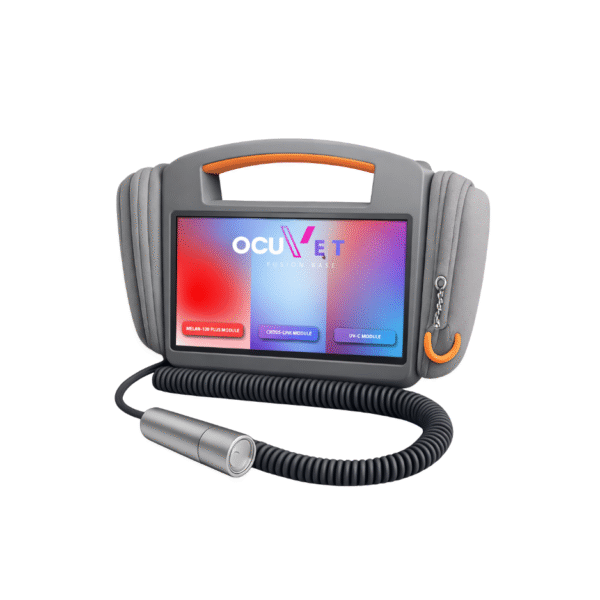
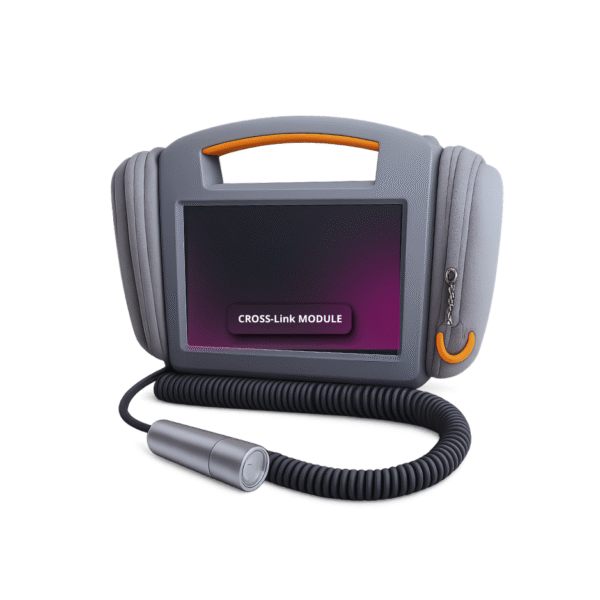
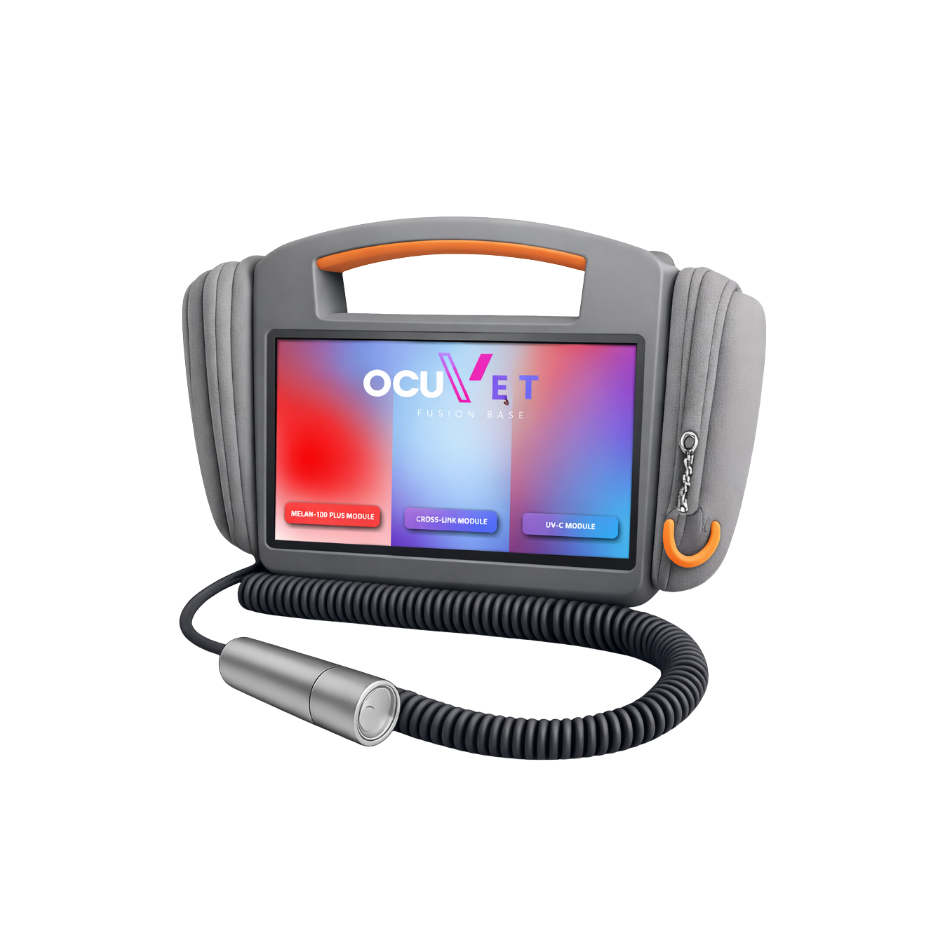
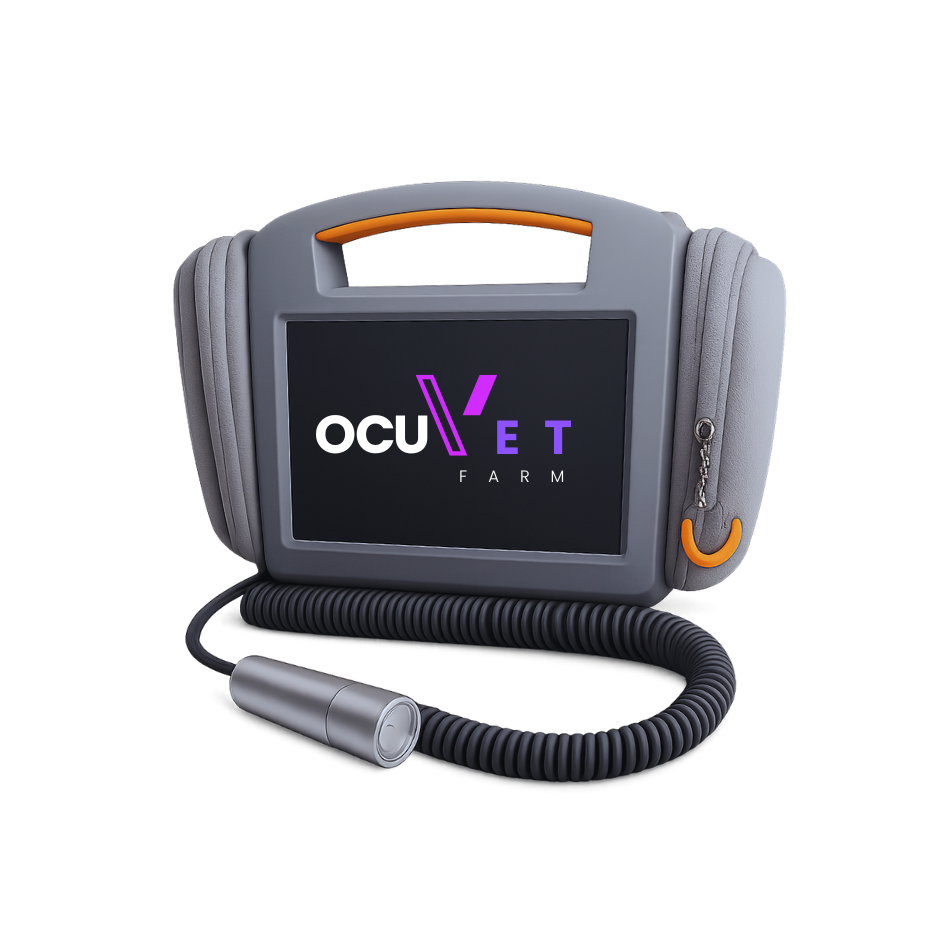
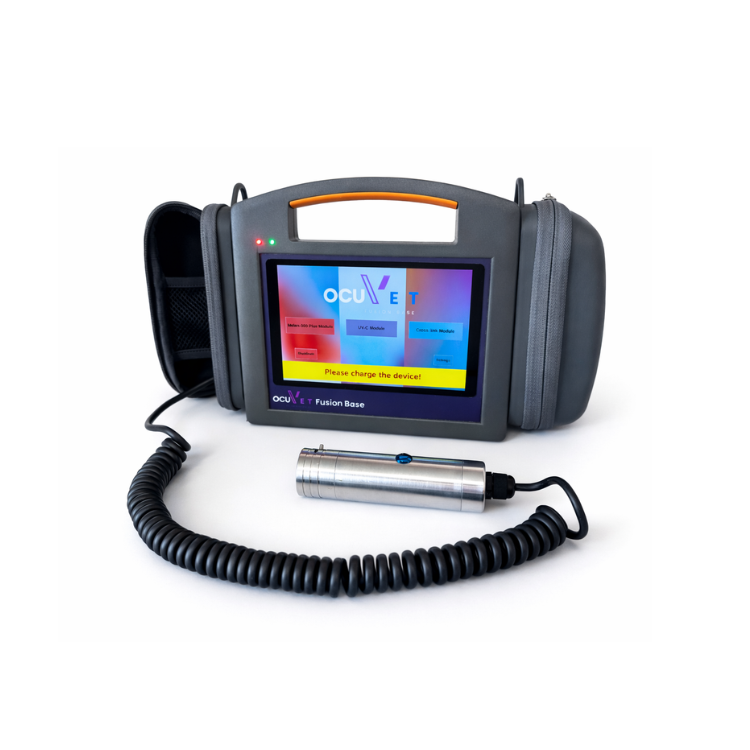
OCU-VET Fusion Base™ is a modular, multimodal ophthalmic platform that unifies advanced diagnostic and therapeutic technologies into a single, integrated system for veterinary eye care. The platform combines ultraviolet antimicrobial therapy (UV-C), corneal cross-linking for biomechanical corneal stabilization, and colorimetric pupillary light reflex (PLR) assessment powered by Melan 100 technology. Its modular architecture allows seamless integration of each modality within a compact clinical footprint, supporting both precision diagnostics and advanced treatment from one central platform. Engineered for efficiency, accuracy, and future scalability, OCU-VET Fusion Base™ enables clinicians to elevate ophthalmic care while optimizing clinical workflow.
The Science Behind UV-C Treatment (Mechanism of Action)
Activity against prokaryotic cells (bacteria, fungi, protozoa, viruses):
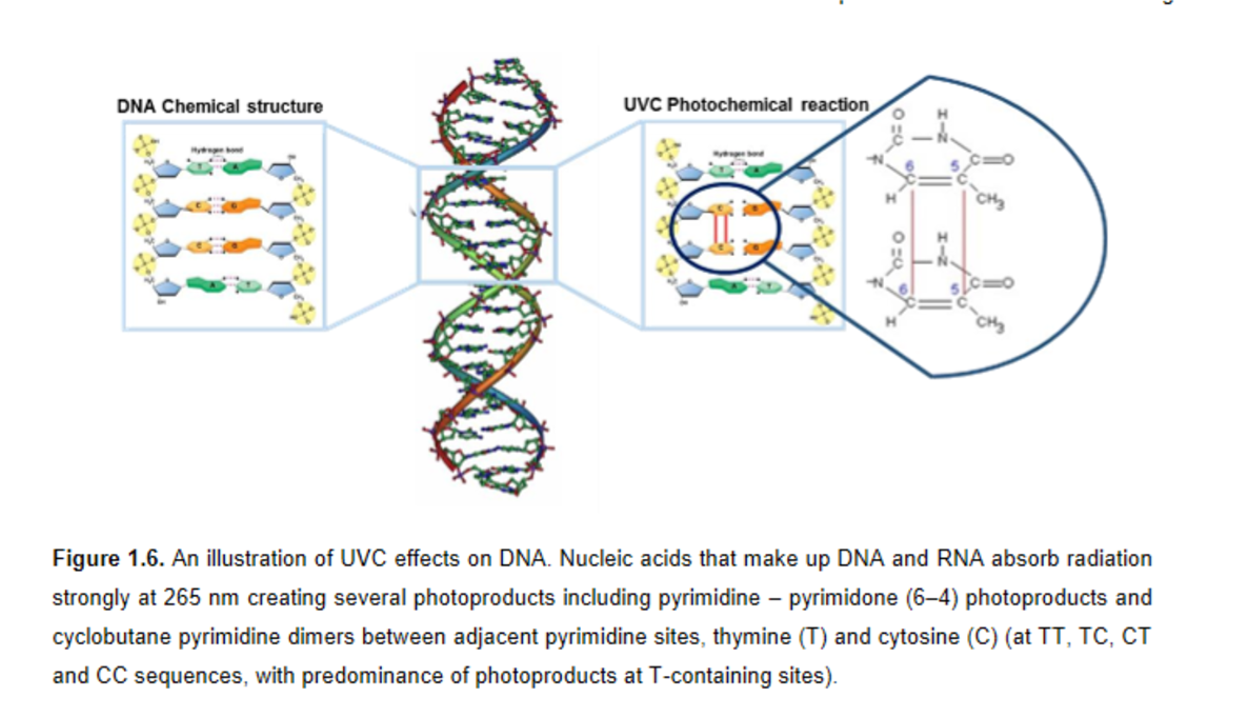
- UV-C causes an alteration at the spatial structure of the DNA resulting in 2 photoproducts:
- Pyrimidine-Pyrimidone (6-4 PP)
- Cyclobutane Pyrimidine Dimers (CPD)
- These products are lethal, leading to cell death or impair the replication process
- Additionally it produces free O2 radicals that cause destruction of DNA
Note: Eukaryotic cells have repair mechanisms for these photoproducts: 6-4 PP is repaired with high efficiency, while CPD will take longer time
What’s Included
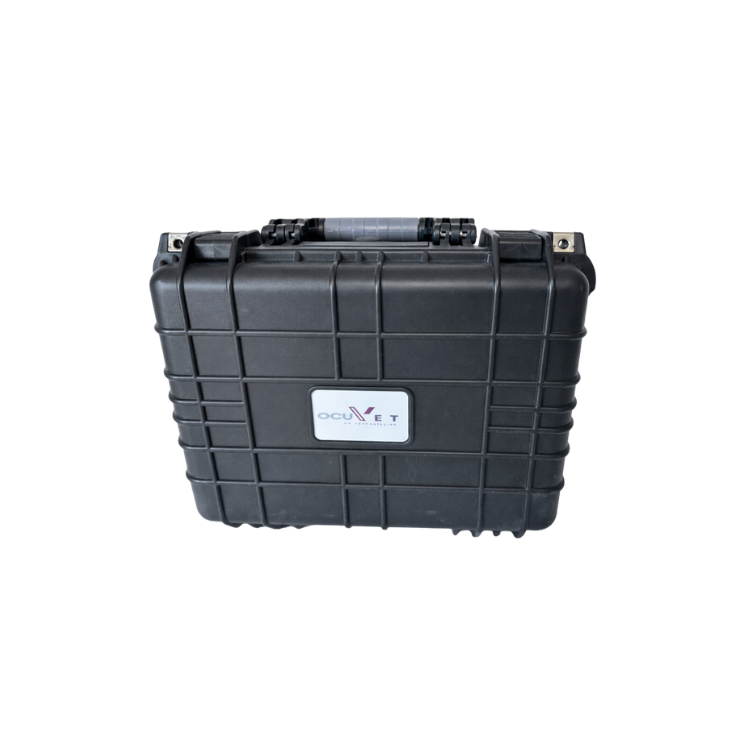
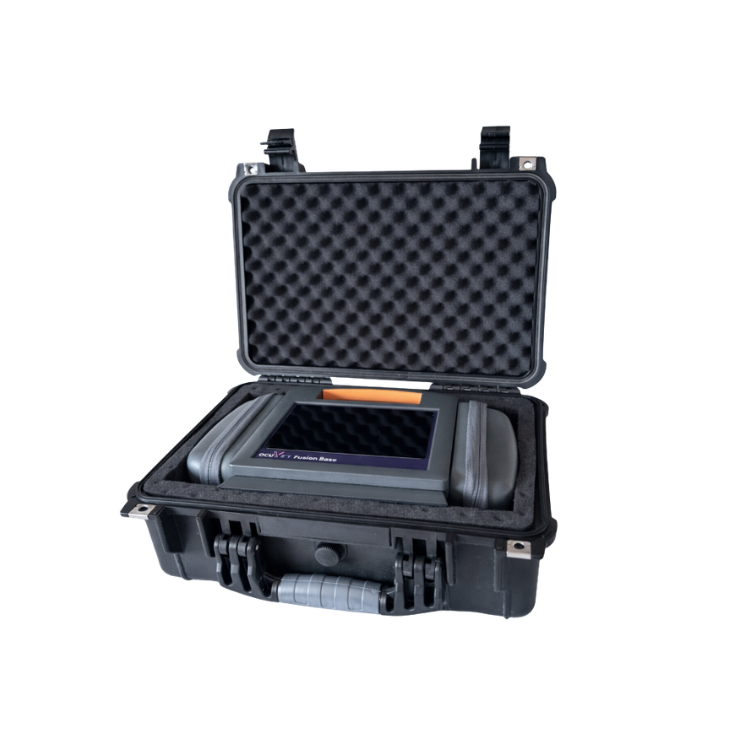
Each Ocu-Vet Fusion Base/Farm unit system is delivered in a durable hard-shell case with custom foam protection, ensuring safe transport and immediate clinical readiness.
Package contents:
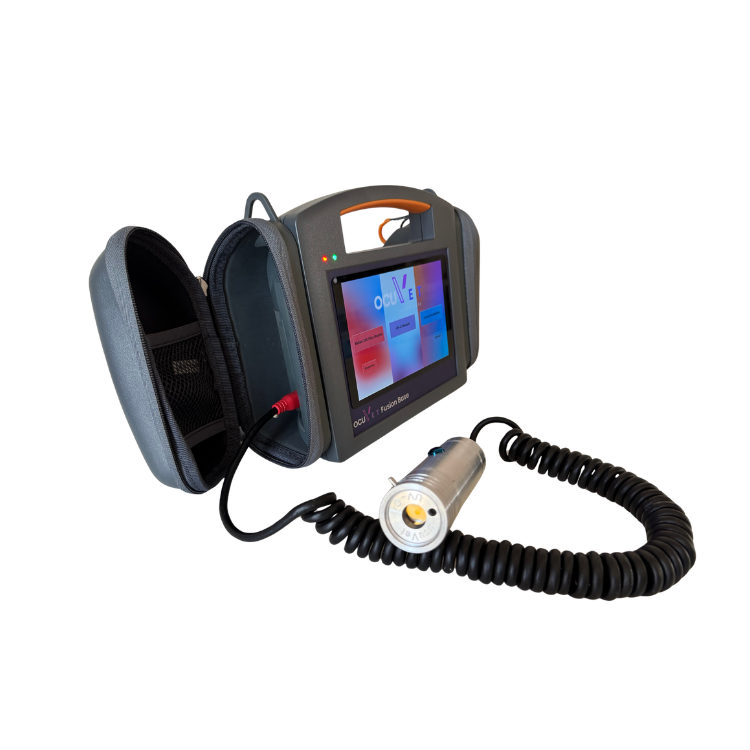
- Fusion Base Main Unit with two integrated side pouches
- Left pouch: UV treatment head configured to your selected specifications
- Right pouch: Additional module head or charging unit, depending on configuration
- Additional Module (if selected), such as CXL or cPLR, securely stored for easy access and interchangeability
- Charging System
- Protective UV Glasses (2 pcs)
- User Manual provided in print or digital format, including setup, operation, and safety instructions